Hospitals • Nursing Homes • Long-Term Care
Make Every Staff Member a Patient Safety Ambassador
A proven training program that empowers all employees to respond to patient needs — reducing costly falls, easing nurse burnout, and creating a lasting culture of safety.
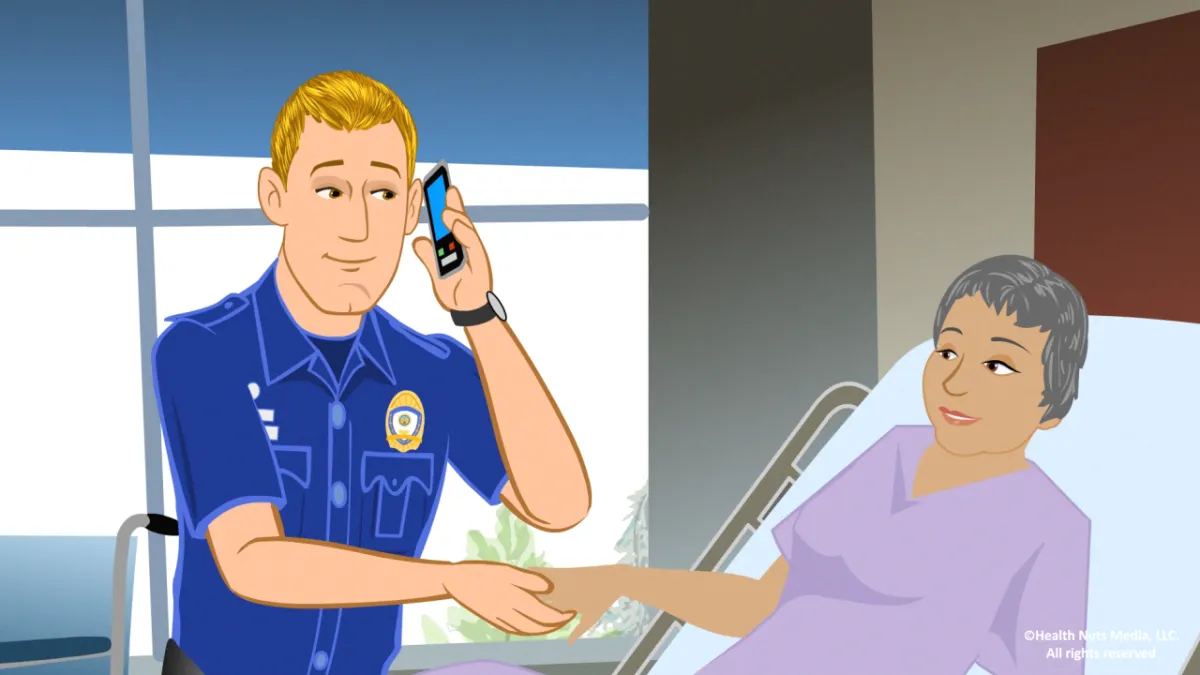
Watch: No Pass Zone — Building a Culture of Safety
2:30 runtime • 21,000+ views
Every minute of training time counts. This two-and-a-half-minute video opens your session with energy and purpose — using animation and narrative storytelling to spark engagement, clarify the “why,” and prepare every staff member to help build a culture of safety
The Challenge
Even the most dedicated nurses can’t be everywhere at once.
Falls cost $15,000–$30,000 each on average.
Call-light fatigue leads to delays, risks, and staff burnout.
In-house training often fails — staff lose interest and lessons don’t stick.
The result? Patient safety suffers. Nurses feel unsupported. And organizations pay the price in liability, turnover, and lower HCAHPS scores.
The Solution: No Pass Zone Staff Training Program
Our 45-minute interactive training session makes patient safety everyone’s responsibility.
Customizable video featuring your logo and facility imagery.
Interactive scenarios: holding coworkers accountable, handling upset patients, making every encounter matter.
Staff manual and instructor guide for consistent rollout.
Digital decks and materials to reinforce lessons across teams.
Designed to engage staff immediately, hold their attention, and create lasting behavior change.
Real Results in Action
At the University of Cincinnati West Chester Hospital, CNO Patrick Baker used NPZ to train 1,000 employees as patient safety ambassadors.
The result? Patient safety suffers. Nurses feel unsupported. And organizations pay the price in liability, turnover, and lower HCAHPS scores.
Why Health Nuts Media?
When training matters, it has to work the first time. Pulling staff off shifts is costly — so engagement is non-negotiable.
Clinical accuracy — evidence-based and compliant.
Engaging storytelling — training that staff actually remember.
Proven methodology — 15+ years of healthcare communication expertise.
The ROI Case
One fall can cost $30,000 — more than training your entire facility.
Nurse turnover can cost hundreds of thousands — NPZ helps reduce burnout.
Improved HCAHPS scores mean better reimbursement and reputation.
This is one of the simplest, most cost-effective ways to improve safety, staff morale, and patient trust.